Understanding Greenhouse Gases: A Simple Guide
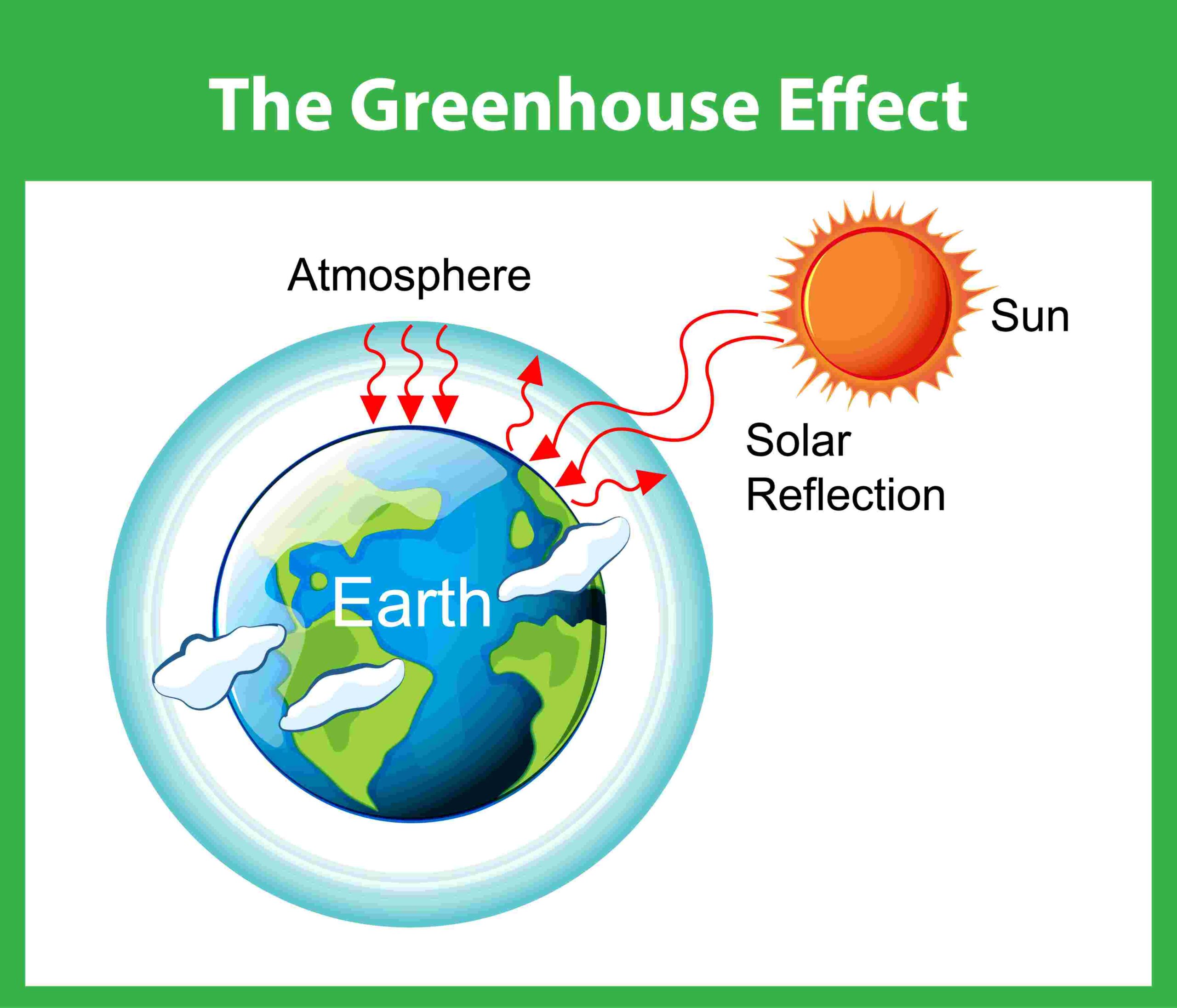
Earth is wrapped in an invisible blanket. This crucial layer of gases keeps our planet warm enough to sustain life, acting as a natural shield against the freezing temperatures of space. However, human activities are rapidly adding more of these gases to the atmosphere, making the blanket much thicker than it should be.
This growing concentration of greenhouse gases (GHGs) is fundamentally changing our climate. Understanding how these gases work is the first step toward addressing the environmental challenges we face. This guide will simplify what greenhouse gases are, explain their impacts on our world, and outline practical solutions we can all implement.
What Are Greenhouse Gases?
Greenhouse gases are specific gases in Earth’s atmosphere that trap heat. You can think of them as Earth’s natural thermostat. When sunlight reaches our planet, the surface absorbs the energy and radiates it back as heat. GHGs absorb this outgoing heat and redirect some of it back toward the surface, keeping the planet warm.
Key Greenhouse Gases
There are several main gases responsible for this warming effect:
- Carbon Dioxide (CO2): This is the most well-known GHG. Its primary sources include the burning of fossil fuels and deforestation. Natural sinks, like oceans and forests, absorb CO2, but human activity produces more than nature can process.
- Methane (CH4): Methane is a potent gas released from agriculture, waste management, and fossil fuel extraction. It traps significantly more heat than CO2 over a short period.
- Nitrous Oxide (N2O): This gas is released mainly from agricultural activities, specifically the use of synthetic fertilisers, as well as industrial processes.
- Fluorinated Gases (F-gases): These are synthetic gases used in refrigeration, air conditioning, and various manufacturing processes. They are highly effective at trapping heat.
The Greenhouse Effect Explained
The greenhouse effect is a natural and necessary process. Without it, Earth’s average temperature would be well below freezing. It works through the absorption and re-emission of infrared radiation. When the sun warms the planet, the earth radiates heat upwards. GHGs intercept this heat, preventing it from escaping into space.
The current problem lies in the enhanced greenhouse effect. Because human activities release massive amounts of extra GHGs, the atmosphere traps too much heat. This throws Earth’s natural temperature regulation out of balance.
Why Are Greenhouse Gases a Concern?
The rapid increase in trapped heat sets off a chain reaction of environmental consequences that affect every living thing on the planet.
Climate Change
The most immediate impact is rising global temperatures. This overall warming disrupts weather patterns, leading to a sharp increase in extreme weather events. Heatwaves become more intense, droughts last longer, and storms become highly destructive.
Sea Level Rise
As global temperatures rise, so do the oceans. This happens for two main reasons. First, water expands as it warms, a process known as thermal expansion. Second, higher temperatures melt glaciers and massive ice sheets, adding immense volumes of fresh water to the oceans.
Ecosystem Disruption
Rapid climate shifts make it difficult for plants and animals to adapt. This leads to severe biodiversity loss as habitats are destroyed or fundamentally changed. Furthermore, oceans absorb a large portion of excess CO2, which causes ocean acidification. This harms marine life, particularly coral reefs and shellfish.
Human Health Impacts
A changing climate directly impacts human health. Warmer temperatures can worsen air quality, leading to increased respiratory issues. Changes in rainfall and temperature also threaten food and water security, making it harder to grow crops in regions that historically supported them.
Sources of Greenhouse Gas Emissions
To stop the rapid accumulation of GHGs, we must look at where they come from.
- Energy Sector: The combustion of fossil fuels for electricity and transport is the largest single contributor to global emissions.
- Industrial Processes: The manufacturing of chemicals and the production of cement release large quantities of CO2 and other gases.
- Agriculture: Livestock digestion produces methane, while land-use changes and fertilisers release CO2 and N2O.
- Waste Management: Organic waste breaking down in landfills releases high levels of methane.
- Deforestation: Cutting down trees removes a vital carbon sink, and burning the wood releases stored carbon back into the air.
Measuring Greenhouse Gases
Scientists measure GHG concentrations using specific metrics to track changes over time. The most common unit is parts per million (ppm), which denotes how many parts of a gas exist in one million parts of air. Another vital metric is metric tons of CO2 equivalent (tCO2e), which allows researchers to compare the warming potential of different gases against CO2. Global monitoring efforts, guided by organisations like the IPCC, rely on national inventories to track these measurements accurately.
Practical Steps to Reduce Your Carbon Footprint
Tackling greenhouse gas emissions requires action at every level of society.
Individual Actions
You can make a difference in your daily life. Improving energy efficiency at home by upgrading insulation and using efficient appliances reduces power consumption. Choosing sustainable transportation, such as public transport, cycling, or driving electric vehicles, cuts down on direct emissions. Adjusting your diet to include less red meat and more local produce also lowers the agricultural footprint. Finally, adhering to the principle of reduce, reuse, and recycle minimises waste.
Business Actions
Companies have a major role to play in reducing emissions. Adopting renewable energy sources for daily operations is a critical step. Businesses can also focus on supply chain optimisation and implement strict waste reduction strategies. For those looking at corporate sustainability frameworks, reading the panduan tentang gas rumah hijau daripada Ajinomoto Malaysia provides a clear example of how large organisations are documenting and acting upon their environmental responsibilities. Purchasing carbon offsets is another way businesses can account for emissions they cannot immediately eliminate.
Government and Policy
Systemic change requires strong governmental policies. Implementing carbon pricing encourages companies to lower their emissions. Governments can also offer incentives for renewable energy adoption and participate in international agreements to ensure a unified global response.
The Role of Innovation and Technology
Technology offers promising solutions to manage and reduce GHGs. Carbon Capture and Storage (CCS) technology is being developed to pull CO2 directly from industrial exhaust or the atmosphere and store it safely underground. Furthermore, the rapid advancement of renewable energy technologies, particularly solar and wind, is making clean energy more affordable than ever. Sustainable agriculture practices, aided by new technologies, are also helping farmers grow food with a drastically reduced carbon footprint.
Securing a Sustainable Future
Greenhouse gases are an essential part of Earth’s atmosphere, but human activity has pushed them to dangerous levels. The resulting enhanced greenhouse effect drives climate change, raises sea levels, and threatens both human health and global ecosystems.
While the challenge is immense, the solutions are entirely within our reach. By combining individual lifestyle changes, corporate responsibility, supportive government policies, and technological innovation, we can reduce emissions. Every action counts, and a sustainable, balanced future is highly achievable if we work together.